






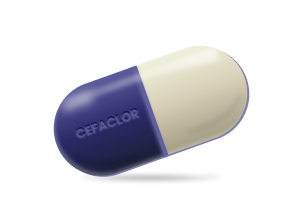
Cefaclor is a medicine used to treat the symptoms of various bacterial infections such as Bronchitis, Pharyngitis and Tonsillitis, Urinary Tract Infection, Ear Infections (Otitis Media) and Lower Respiratory Tract Infections. Cefaclor may be used alone or with other medications.









Cefaclor
| Package | pill | Total price | Save | Order |
|---|---|---|---|---|
| 500mg × 10 Pills | $15.42 | $154.15 | - | Add to cart |
| 500mg × 20 Pills | $14.97 | $299.48 Free Trackable Delivery | $9.00 | Add to cart |
| 500mg × 30 Pills | $14.83 | $444.83 Free Trackable Delivery | $17.70 | Add to cart |
| 500mg × 40 Pills | $14.75 | $590.17 Free Trackable Delivery | $26.80 | Add to cart |
| 500mg × 50 Pills | $14.71 | $735.52 Free Trackable Delivery | $35.50 | Add to cart |
| Package | pill | Total price | Save | Order |
|---|---|---|---|---|
| 250mg × 10 Pills | $8.24 | $82.36 | - | Add to cart |
| 250mg × 20 Pills | $7.80 | $155.92 | $8.80 | Add to cart |
| 250mg × 30 Pills | $7.65 | $229.46 Free Trackable Delivery | $17.70 | Add to cart |
| 250mg × 40 Pills | $7.58 | $303.02 Free Trackable Delivery | $26.40 | Add to cart |
| 250mg × 50 Pills | $7.53 | $376.56 Free Trackable Delivery | $35.50 | Add to cart |
Your order will be packed safely and securely and dispatched within 24 hours. This is exactly how your parcel will look like (pictures of a real shipping item). It has the size and the look of a regular private letter (9.4x4.3x0.3 inches or 24x11x0.7cm), and it does not disclose its contents



Cefaclor belongs to a class of drugs called Cephalosporins, 2nd Generation.
It is not known if Cefaclor is safe and effective in children younger than 1 month of age.
Drug uses
Cefaclor is indicated in the treatment of the following infections when caused by susceptible strains of the designated microorganisms:
Otitis media caused by Streptococcus pneumoniae, Haemophilus influenzae, staphylococci, and Streptococcus pyogenes
Note: β-lactamase-negative, ampicillin-resistant (BLNAR) strains of Haemophilus influenzae should be considered resistant to cefaclor despite apparent in vitro susceptibility of some BLNAR strains.
Lower respiratory tract infections, including pneumonia, caused by Streptococcus pneumoniae, Haemophilus influenzae, and Streptococcus pyogenes
Note: β-lactamase-negative, ampicillin-resistant (BLNAR) strains of Haemophilus influenzae should be considered resistant to cefaclor despite apparent in vitro susceptibility of some BLNAR strains.
Pharyngitis and Tonsillitis, caused by Streptococcus pyogenes
Note: Penicillin is the usual drug of choice in the treatment and prevention of streptococcal infections, including the prophylaxis of rheumatic fever. Cefaclor is generally effective in the eradication of streptococci from the nasopharynx; however, substantial data establishing the efficacy of cefaclor in the subsequent prevention of rheumatic fever are not available at present.
Urinary tract infections, including pyelonephritis and cystitis, caused by Escherichia coli, Proteus mirabilis, Klebsiella spp., and coagulase-negative staphylococci
Skin and skin structure infections caused by Staphylococcus aureus and Streptococcus pyogenes
Appropriate culture and susceptibility studies should be performed to determine susceptibility of the causative organism to cefaclor.
To reduce the development of drug-resistant bacteria and maintain the effectiveness of Cefaclor for Oral Suspension and other antibacterial drugs, Cefaclor for Oral Suspension should be used only to treat or prevent infections that are proven or strongly suspected to be caused by susceptible bacteria. When culture and susceptibility information are available, they should be considered in selecting or modifying antibacterial therapy. In the absence of such data, local epidemiology and susceptibility patterns may contribute to the empiric selection of therapy.
Overdosage
Signs and Symptoms
The toxic symptoms following an overdose of cefaclor may include nausea, vomiting, epigastric distress, and diarrhea. The severity of the epigastric distress and the diarrhea are dose-related. If other symptoms are present, it is probable that they are secondary to an underlying disease state, an allergic reaction, or the effects of other intoxication.
Treatment
To obtain up-to-date information about the treatment of overdose, a good resource is your certified Regional Poison Control Center. Telephone numbers of certified poison control centers are listed in the Physicians' Desk Reference (PDR). In managing overdosage, consider the possibility of multiple drug overdoses, interaction among drugs, and unusual drug kinetics in your patient.
Unless 5 times the normal dose of cefaclor has been ingested, gastrointestinal decontamination will not be necessary.
Protect the patient's airway and support ventilation and perfusion. Meticulously monitor and maintain, within acceptable limits, the patient's vital signs, blood gases, serum electrolytes, etc. Absorption of drugs from the gastrointestinal tract may be decreased by giving activated charcoal, which, in many cases, is more effective than emesis or lavage; consider charcoal instead of or in addition to gastric emptying. Repeated doses of charcoal over time may hasten elimination of some drugs that have been absorbed. Safeguard the patient's airway when employing gastric emptying or charcoal.
Forced diuresis, peritoneal dialysis, hemodialysis, or charcoal hemoperfusion have not been established as beneficial for an overdose of cefaclor.
Storage
Store the capsules and tablets at room temperature and away from excess heat and moisture (not in the bathroom). The tablets should also be stored away from light. Keep liquid medicine in the refrigerator, tightly closed, and dispose of any unused medication after 14 days.
Safety information
Warnings
BEFORE THERAPY WITH CEFACLOR IS INSTITUTED, CAREFUL INQUIRY SHOULD BE MADE TO DETERMINE WHETHER THE PATIENT HAS HAD PREVIOUS HYPERSENSITIVITY REACTIONS TO CEFACLOR, CEPHALOSPORINS, PENICILLINS, OR OTHER DRUGS. IF THIS PRODUCT IS TO BE GIVEN TO PENICILLIN-SENSITIVE PATIENTS, CAUTION SHOULD BE EXERCISED BECAUSE CROSS-HYPERSENSITIVITY AMONG β-LACTAM ANTIBIOTICS HAS BEEN CLEARLY DOCUMENTED AND MAY OCCUR IN UP TO 10% OF PATIENTS WITH A HISTORY OF PENICILLIN ALLERGY.
IF AN ALLERGIC REACTION TO CEFACLOR OCCURS, DISCONTINUE THE DRUG. SERIOUS ACUTE HYPER-SENSITIVITY REACTIONS MAY REQUIRE TREATMENT WITH EPINEPHRINE AND OTHER EMERGENCY MEASURES, INCLUDING OXYGEN, INTRAVENOUS FLUIDS, INTRAVENOUS ANTIHISTAMINES, CORTICOSTEROIDS, PRESSOR AMINES, AND AIRWAY MANAGEMENT, AS CLINICALLY INDICATED.
Antibiotics, including cefaclor, should be administered cautiously to any patient who has demonstrated some form of allergy, particularly to drugs.
Clostridium difficile associated diarrhea (CDAD) has been reported with use of nearly all antibacterial agents, including Cefaclor for Oral Suspension, USP, and may range in severity from mild diarrhea to fatal colitis. Treatment with antibacterial agents alters the normal flora of the colon leading to overgrowth of C. difficile.
C. difficile produces toxins A and B which contribute to the development of CDAD. Hypertoxin-producing strains of C. difficile cause increased morbidity and mortality, as these infections can be refractory to antimicrobial therapy and may require colectomy. CDAD must be considered in all patients who present with diarrhea following antibiotic use. Careful medical history is necessary since CDAD has been reported to occur over two months after the administration of antibacterial agents.
If CDAD is suspected or confirmed, ongoing antibiotic use not directed against C. difficile may need to be discontinued. Appropriate fluid and electrolyte management, protein supplementation, antibiotic treatment of C. difficile, and surgical evaluation should be instituted as clinically indicated.
Disclaimer
The information on this page is not intended to be a substitute for professional medical advice. Do not use this information to diagnose or treat your problem without consulting your doctor.
Side effects
Cefaclor may cause serious side effects including:
- stomach upset,
- headache,
- nausea,
- vomiting,
- diarrhea,
- stomach pain,
- persistent nausea or vomiting,
- yellowing of the skin or eyes (jaundice),
- dark urine,
- new signs of infection (sore throat, fever),
- easy bruising or bleeding,
- change in the amount of urine,
- mood changes,
- confusion,
- severe intestinal condition (Clostridium difficile-associated diarrhea),
- blood or mucus in your stool,
- white patches in your mouth,
- change in vaginal discharge,
- rash,
- itching,
- swelling of the face, tongue or throat,
- unusual joint pain, and
- trouble breathing
Get medical help right away, if you have any of the symptoms listed above.
The most common side effects of Cefaclor include:
- diarrhea,
- stomach upset,
- headache,
- nausea,
- vomiting,
- vaginal itching or discharge, and
- hypersensitivity reactions
Tell the doctor if you have any side effect that bothers you or that does not go away.
These are not all the possible side effects of Cefaclor. For more information, ask your doctor or pharmacist.
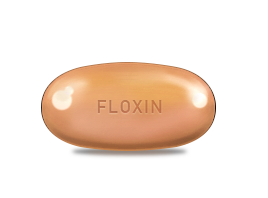
Floxin - antimicrobic broad-spectrum agent from group of fluroquinolone. It is active concerning the microorganisms producing beta lactamelements and fast-growing atypical mycobacteria. It is taken at respiratory infection, the ENT organs, skin, soft tissues, bones, joints, abdominal cavity, urinary tract.
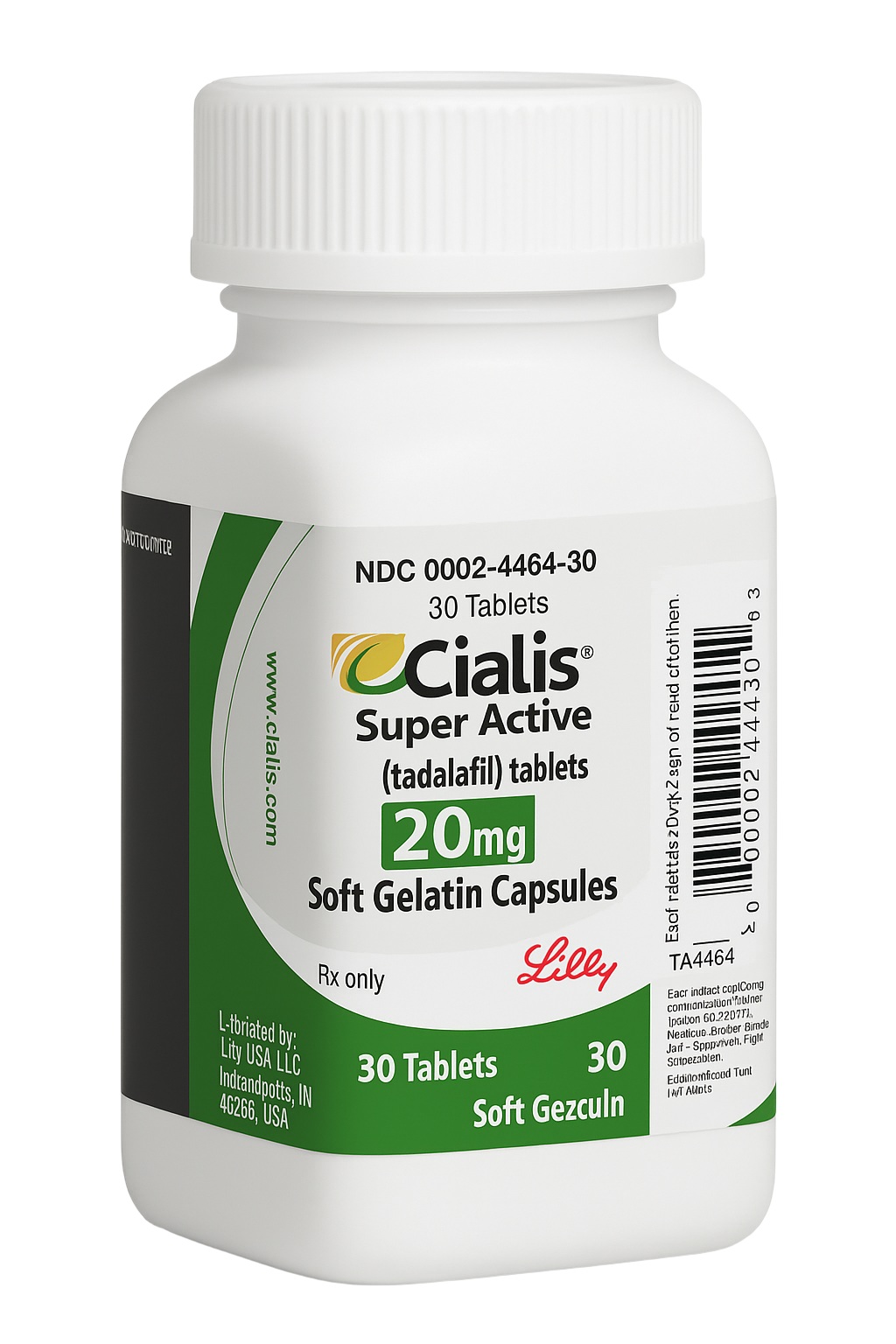
Cialis Super Active is a generic drug, against erectile dysfunction, containing 20 mg of tadalafil. The tablets in this series have a gel inside. This form allows the active substance, Tadalafil, to immediately enter the blood, thus providing an immediate effect. The result from the Cialis Super Active tablets appears after 5 minutes! The action lasts for two days. The drug is safe and has virtually no contraindications.
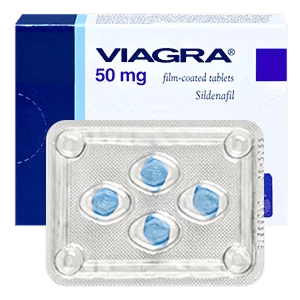
Viagra - Active ingredient - Sildenafil, 100 mg. Effect of "Viagra" is based on significant increase of blood stream to penis. Begins to work in 30 minutes, the effect lasts for 4-5 hours. Most of men can take this generic viagra every day. Millions of men worldwide cannot be mistaken, choosing Viagra!
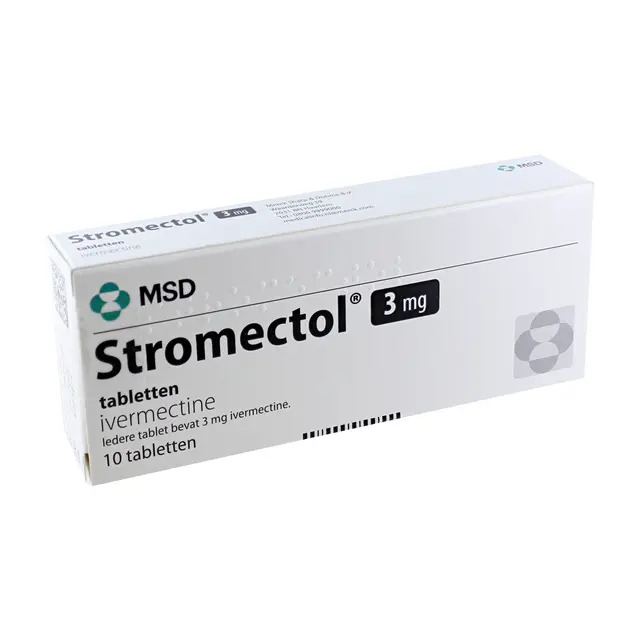
Stromectol - a medical preparation that effectively cope with many kinds of parasites. It is used to treat lice, scabies, as well as onchocerciasis (river blindness) and other nematodes in humans and animals. It is applied externally and internally, depending on the disease.
An antiarrhythmic Ia class drug, a blocker of the "fast" Na+ channels. It has a membrane stabilizing, anti-arrhythmic, hypotensive and m-anticholinergic action. In normally functioning sinus node it causes acceleration of the sinus rhythm due to the antimuscarinic effect.
Speman enhances male sexual performance by means of substances of vegetable origin. Extracts of seeds, stems, leaves and roots coming from nine medicinal plants are selected for their spermatogenesis-boosting properties. The drug facilitates and stimulates the process of sperm generation, increasing the mobility of spermatozoids and reducing the thickness of semen (which, consequently, improves fertilizing capabilities of sperm). Spenman decongests the prostate gland and returns its size back to unenlarged, in turn restoring both the normal urinary function and the male’s libido.

An anti-migraine drug. Used for emergency treatment to eliminate migraine, with aura as well. A selective agonist of 5-hydroxytryptamine 1D receptors. The effect can be observed within 30 minutes after the intake.