








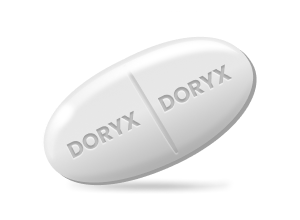
Doryx MPC (doxycycline hyclate) delayed-release tablets for oral use, contain doxycycline hyclate, a tetracycline class drug synthetically derived from oxytetracycline, in a delayed-release formulation consisting of pellets with a modified polymer enteric coat that has increased acid resistance.









Doryx
| Package | pill | Total price | Save | Order |
|---|---|---|---|---|
| 100mg × 60 Pills | $0.64 | $38.34 | - | Add to cart |
| 100mg × 120 Pills | $0.51 | $61.34 | $15.60 | Add to cart |
| 100mg × 240 Pills | $0.45 | $107.33 | $45.60 | Add to cart |
| 100mg × 300 Pills | $0.43 | $130.34 | $63.00 | Add to cart |
Your order will be packed safely and securely and dispatched within 24 hours. This is exactly how your parcel will look like (pictures of a real shipping item). It has the size and the look of a regular private letter (9.4x4.3x0.3 inches or 24x11x0.7cm), and it does not disclose its contents



Drug uses
To reduce the development of drug-resistant bacteria and maintain the effectiveness of DORYX and other antibacterial drugs, DORYX should be used only to treat or prevent infections that are proven or strongly suspected to be caused by susceptible bacteria. When culture and susceptibility information are available, they should be considered in selecting or modifying antibacterial therapy. In the absence of such data, local epidemiology and susceptibility patterns may contribute to the empiric selection of therapy.
Doxycycline is a tetracycline-class antibacterial indicated in the following conditions or diseases:
Rickettsial Infections
Rocky Mountain spotted fever, typhus fever and the typhus group, Q fever, rickettsialpox, and tick fevers caused by Rickettsiae.
Sexually Transmitted Infections
Uncomplicated urethral, endocervical or rectal infections caused by Chlamydia trachomatis.
Nongonococcal urethritis caused by Ureaplasma urealyticum.
Lymphogranuloma venereum caused by Chlamydia trachomatis.
Granuloma inguinale caused by Klebsiella granulomatis.
Uncomplicated gonorrhea caused by Neisseria gonorrhoeae.
Chancroid caused by Haemophilus ducreyi.
Respiratory Tract Infections
Respiratory tract infections caused by Mycoplasma pneumoniae.
Psittacosis (ornithosis) caused by Chlamydophila psittaci.
Because many strains of the following groups of microorganisms have been shown to be resistant to doxycycline, culture and susceptibility testing are recommended.
Doxycycline is indicated for treatment of infections caused by the following microorganisms, when bacteriological testing indicates appropriate susceptibility to the drug:
Respiratory tract infections caused by Haemophilus influenzae.
Respiratory tract infections caused by Klebsiella species.
Upper respiratory infections caused by Streptococcus pneumoniae.
Specific Bacterial Infections
Relapsing fever due to Borrelia recurrentis.
Plague due to Yersinia pestis.
Tularemia due to Francisella tularensis.
Cholera caused by Vibrio cholerae.
Campylobacter fetus infections caused by Campylobacter fetus.
Brucellosis due to Brucella species (in conjunction with streptomycin).
Bartonellosis due to Bartonella bacilliformis.
Because many strains of the following groups of microorganisms have been shown to be resistant to doxycycline, culture and susceptibility testing are recommended.
Doxycycline is indicated for treatment of infections caused by the following gramnegative microorganisms, when bacteriological testing indicates appropriate susceptibility to the drug:
Escherichia coli
Enterobacter aerogenes
Shigella species
Acinetobacter species
Urinary tract infections caused by Klebsiella species.
Ophthalmic Infections
Trachoma caused by Chlamydia trachomatis, although the infectious agent is not always eliminated as judged by immunofluorescence.
Inclusion conjunctivitis caused by Chlamydia trachomatis.
Anthrax Including Inhalational Anthrax (Post-Exposure)
Anthrax due to Bacillus anthracis, including inhalational anthrax (post-exposure): to reduce the incidence or progression of disease following exposure to aerosolized Bacillus anthracis.
Alternative Treatment For Selected Infections When Penicillin Is Contraindicated
When penicillin is contraindicated, doxycycline is an alternative drug in the treatment of the following infections:
Syphilis caused by Treponema pallidum.
Yaws caused by Treponema pallidum subspecies pertenue.
Vincent’s infection caused by Fusobacterium fusiforme.
Actinomycosis caused by Actinomyces israelii.
Infections caused by Clostridium species.
Adjunctive Therapy For Acute Intestinal Amebiasis And Severe Acne
In acute intestinal amebiasis, doxycycline may be a useful adjunct to amebicides.
In severe acne, doxycycline may be useful adjunctive therapy.
Prophylaxis Of Malaria
Doxycycline is indicated for the prophylaxis of malaria due to Plasmodium falciparum in short-term travelers (less than 4 months) to areas with chloroquine and/or pyrimethamine-sulfadoxine resistant strains.
Overdosage
In case of overdosage, discontinue medication, treat symptomatically and institute supportive measures. Dialysis does not alter serum half-life and thus would not be of benefit in treating cases of overdosage.
Storage
Store at 25° C (77° F); excursions permitted to 15 – 30° C (59 – 86° F. Dispense in a tight, light-resistant container (USP).
Safety information
Warnings
Tooth Development
The use of drugs of the tetracycline-class during tooth development (last half of pregnancy, infancy and childhood to the age of 8 years) may cause permanent discoloration of the teeth (yellow-gray-brown). This adverse reaction is more common during long-term use of the drugs but it has been observed following repeated short-term courses. Enamel hypoplasia has also been reported. Use DORYX in pediatric patients 8 years of age or less only when the potential benefits are expected to outweigh the risks in severe or life-threatening conditions (e.g., anthrax, Rocky Mountain spotted fever), particularly when there are no alternative therapies.
Clostridioides Difficile Associated Diarrhea
Clostridioides difficile associated diarrhea (CDAD) has been reported with use of nearly all antibacterial agents, including DORYX Tablets, and may range in severity from mild diarrhea to fatal colitis. Treatment with antibacterial agents alters the normal flora of the colon leading to overgrowth of C. difficile.
C. difficile produces toxins A and B which contribute to the development of CDAD. Hypertoxin producing strains of C. difficile cause increased morbidity and mortality, as these infections can be refractory to antimicrobial therapy and may require colectomy. CDAD must be considered in all patients who present with diarrhea following antibacterial use. Careful medical history is necessary since CDAD has been reported to occur over two months after the administration of antibacterial agents.
If CDAD is suspected or confirmed, ongoing antibacterial use not directed against C. difficile may need to be discontinued. Appropriate fluid and electrolyte management, protein supplementation, antibacterial treatment of C. difficile, and surgical evaluation should be instituted as clinically indicated.
Photosensitivity
Photosensitivity manifested by an exaggerated sunburn reaction has been observed in some individuals taking tetracyclines. Patients apt to be exposed to direct sunlight or ultraviolet light should be advised that this reaction can occur with tetracycline drugs, and treatment should be discontinued at the first evidence of skin erythema.
Potential For Microbial Overgrowth
As with other antibacterial preparations, use of DORYX may result in overgrowth of non-susceptible organisms, including fungi. If superinfection occurs, the antibacterial should be discontinued and appropriate therapy instituted.
Severe Skin Reactions
Severe skin reactions, such as exfoliative dermatitis, erythema multiforme, Stevens-Johnson syndrome, toxic epidermal necrolysis, and drug reaction with eosinophilia and systemic symptoms (DRESS) have been reported in patients receiving doxycycline. If severe skin reactions occur, doxycycline should be discontinued immediately and appropriate therapy should be instituted.
Intracranial Hypertension
Intracranial hypertension (IH, pseudotumor cerebri) has been associated with the use of tetracycline including DORYX. Clinical manifestations of IH include headache, blurred vision, diplopia, and vision loss; papilledema can be found on fundoscopy. Women of childbearing age who are overweight or have a history of IH are at greater risk for developing tetracycline associated IH. Avoid concomitant use of isotretinoin and Doryx because isotretinoin is also known to cause pseudotumor cerebri.
Although IH typically resolves after discontinuation of treatment, the possibility for permanent visual loss exists. If visual disturbance occurs during treatment, prompt ophthalmologic evaluation is warranted. Since intracranial pressure can remain elevated for weeks after drug cessation patients should be monitored until they stabilize.
Skeletal Development
All tetracyclines form a stable calcium complex in any bone-forming tissue. A decrease in fibula growth rate has been observed in prematures given oral tetracycline in doses of 25 mg/kg every six hours. This reaction was shown to be reversible when the drug was discontinued.
Results of animal studies indicate that tetracyclines cross the placenta, are found in fetal tissues, and can have toxic effects on the developing fetus (often related to retardation of skeletal development). Evidence of embryotoxicity also has been noted in animals treated early in pregnancy. If any tetracycline is used during pregnancy or if the patient becomes pregnant while taking these drugs, the patient should be apprised of the potential hazard to the fetus.
Antianabolic Action
The antianabolic action of the tetracyclines may cause an increase in BUN. Studies to date indicate that this does not occur with the use of doxycycline in patients with impaired renal function.
Malaria
Doxycycline offers substantial but not complete suppression of the asexual blood stages of Plasmodium strains.
Doxycycline does not suppress P. falciparum’s sexual blood stage gametocytes. Subjects completing this prophylactic regimen may still transmit the infection to mosquitoes outside endemic areas.
Development Of Drug-Resistant Bacteria
Prescribing DORYX in the absence of a proven or strongly suspected bacterial infection or a prophylactic indication is unlikely to provide benefit to the patient and increases the risk of the development of drug-resistant bacteria.
Laboratory Monitoring For Long-Term Therapy
In long-term therapy, periodic laboratory evaluation of organ systems, including hematopoietic, renal, and hepatic studies should be performed.
Nonclinical Toxicology
Carcinogenesis, Mutagenesis, Impairment Of Fertility
Long-term studies in animals to evaluate carcinogenic potential of doxycycline have not been conducted. However, there has been evidence of oncogenic activity in rats in studies with the related antibacterials, oxytetracycline (adrenal and pituitary tumors) and minocycline (thyroid tumors). Likewise, although mutagenicity studies of doxycycline have not been conducted, positive results in in vitro mammalian cell assays have been reported for related antibacterials (tetracycline, oxytetracycline).
Doxycycline administered orally at dosage levels as high as 250 mg/kg/day had no apparent effect on the fertility of female rats. Effect on male fertility has not been studied.
Use In Specific Populations
Pregnancy
Teratogenic Effects
Pregnancy Category D
Risk Summary
There are no adequate and well-controlled studies on the use of doxycycline in pregnant women. The vast majority of reported experience with doxycycline during human pregnancy is short-term, first trimester exposure. There are no human data available to assess the effects of long-term therapy of doxycycline in pregnant women such as that proposed for the treatment of anthrax exposure. An expert review of published data on experiences with doxycycline use during pregnancy by TERIS - the Teratogen Information System - concluded that therapeutic doses during pregnancy are unlikely to pose a substantial teratogenic risk (the quantity and quality of data were assessed as limited to fair), but the data are insufficient to state that there is no risk.1
Data
Human Data
A case-control study (18,515 mothers of infants with congenital anomalies and 32,804 mothers of infants with no congenital anomalies) shows a weak but marginally statistically significant association with total malformations and use of doxycycline anytime during pregnancy. Sixty-three (0.19%) of the controls and 56 (0.30%) of the cases were treated with doxycycline. This association was not seen when the analysis was confined to maternal treatment during the period of organogenesis (that is, in the second and third months of gestation), with the exception of a marginal relationship with neural tube defect based on only two-exposed cases.2
A small prospective study of 81 pregnancies describes 43 pregnant women treated for 10 days with doxycycline during early first trimester. All mothers reported their exposed infants were normal at 1 year of age.3
Nonteratogenic effects:
Lactation
Risk Summary
Tetracyclines are excreted in human milk, however, the extent of absorption of tetracyclines including doxycycline, by the breastfed infant is not known. Short-term use by lactating women is not necessarily contraindicated. The effects of prolonged exposure to doxycycline in breast milk are unknown4. Because of the potential for serious adverse reactions in nursing infants from doxycycline, a decision should be made whether to discontinue nursing or to discontinue the drug, taking into account the importance of the drug to the mother.
Pediatric Use
Because of the effects of drugs of the tetracycline-class on tooth development and growth, use DORYX in pediatric patients 8 years of age or less only when the potential benefits are expected to outweigh the risks in severe or life-threatening conditions (e.g., anthrax, Rocky Mountain spotted fever), particularly, when there are no alternative therapies.
Geriatric Use
Clinical studies of DORYX did not include sufficient numbers of subjects aged 65 and over to determine whether they respond differently from younger subjects. Other reported clinical experience has not identified differences in responses between the elderly and younger patients.
DORYX 50 mg tablets contain 3 mg (0.131 mEq) of sodium.
DORYX 200 mg tablets contain 12 mg (0.522 mEq) of sodium.
Disclaimer
The information on this page is not intended to be a substitute for professional medical advice. Do not use this information to diagnose or treat your problem without consulting your doctor.
Side effects
Gastrointestinal
Anorexia, nausea, vomiting, diarrhea, glossitis, dysphagia, enterocolitis, inflammatory lesions (with monilial overgrowth) in the anogenital region and pancreatitis. Hepatotoxicity has been reported. These reactions have been caused by both the oral and parenteral administration of tetracyclines. Superficial discoloration of the adult permanent dentition, reversible upon drug discontinuation and professional dental cleaning has been reported. Permanent tooth discoloration and enamel hypoplasia may occur with drugs of the tetracycline class when used during tooth development. Esophagitis and esophageal ulcerations have been reported in patients receiving capsule and tablet forms of drugs in the tetracycline- class. Most of these patients took medications immediately before going to bed.
Skin
Maculopapular and erythematous rashes, Stevens-Johnson syndrome, toxic epidermal necrolysis, exfoliative dermatitis, and erythema multiforme have been reported. Photosensitivity is discussed above.
Renal
Rise in BUN has been reported and is apparently dose-related.
Hypersensitivity Reactions
Urticaria, angioneurotic edema, anaphylaxis, anaphylactoid purpura, serum sickness, pericarditis, and exacerbation of systemic lupus erythematosus, and drug reaction with eosinophilia and systemic symptoms (DRESS).
Blood
Hemolytic anemia, thrombocytopenia, neutropenia, and eosinophilia have been reported.
Intracranial Hypertension
Intracranial hypertension (IH, pseudotumor cerebri) has been associated with the use of tetracycline Thyroid Gland Changes: When given over prolonged periods, tetracyclines have been reported to produce brown-black microscopic discoloration of thyroid glands. No abnormalities of thyroid function are known to occur.
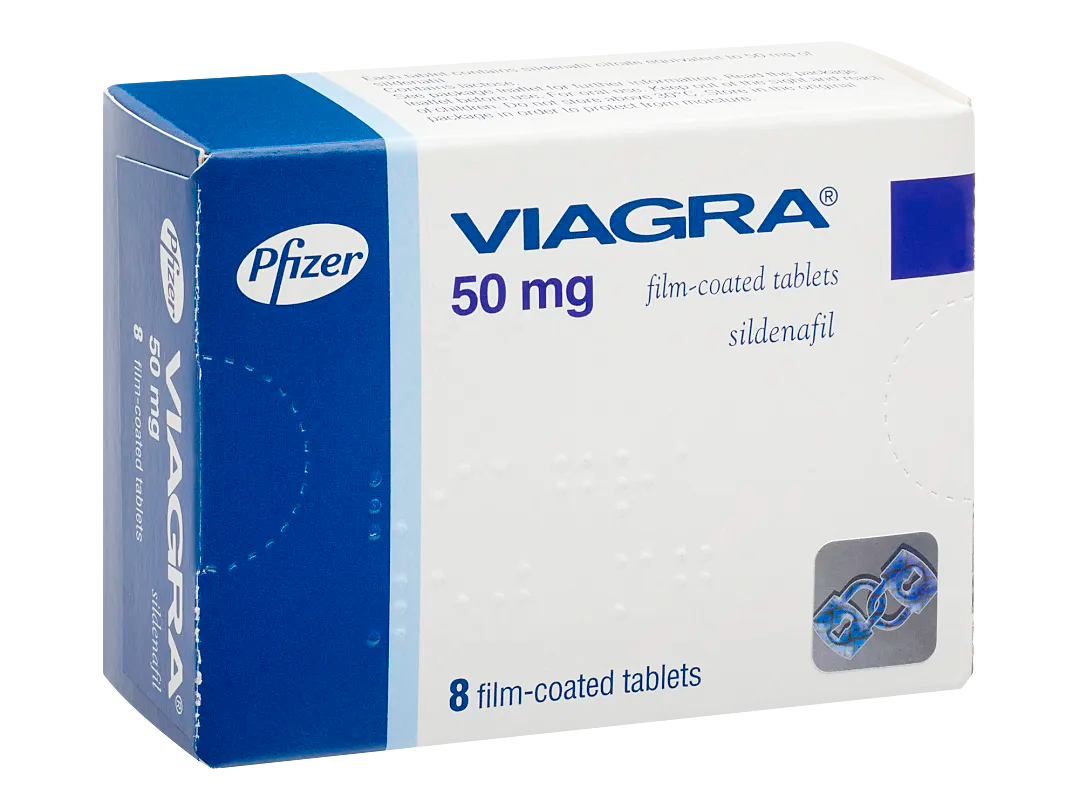
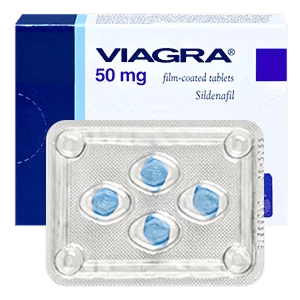
Viagra - Active ingredient - Sildenafil, 100 mg. Effect of "Viagra" is based on significant increase of blood stream to penis. Begins to work in 30 minutes, the effect lasts for 4-5 hours. Most of men can take this generic viagra every day. Millions of men worldwide cannot be mistaken, choosing Viagra!
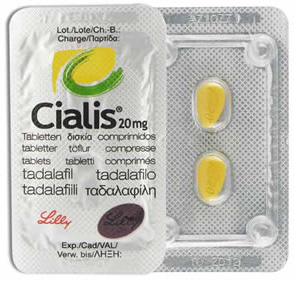
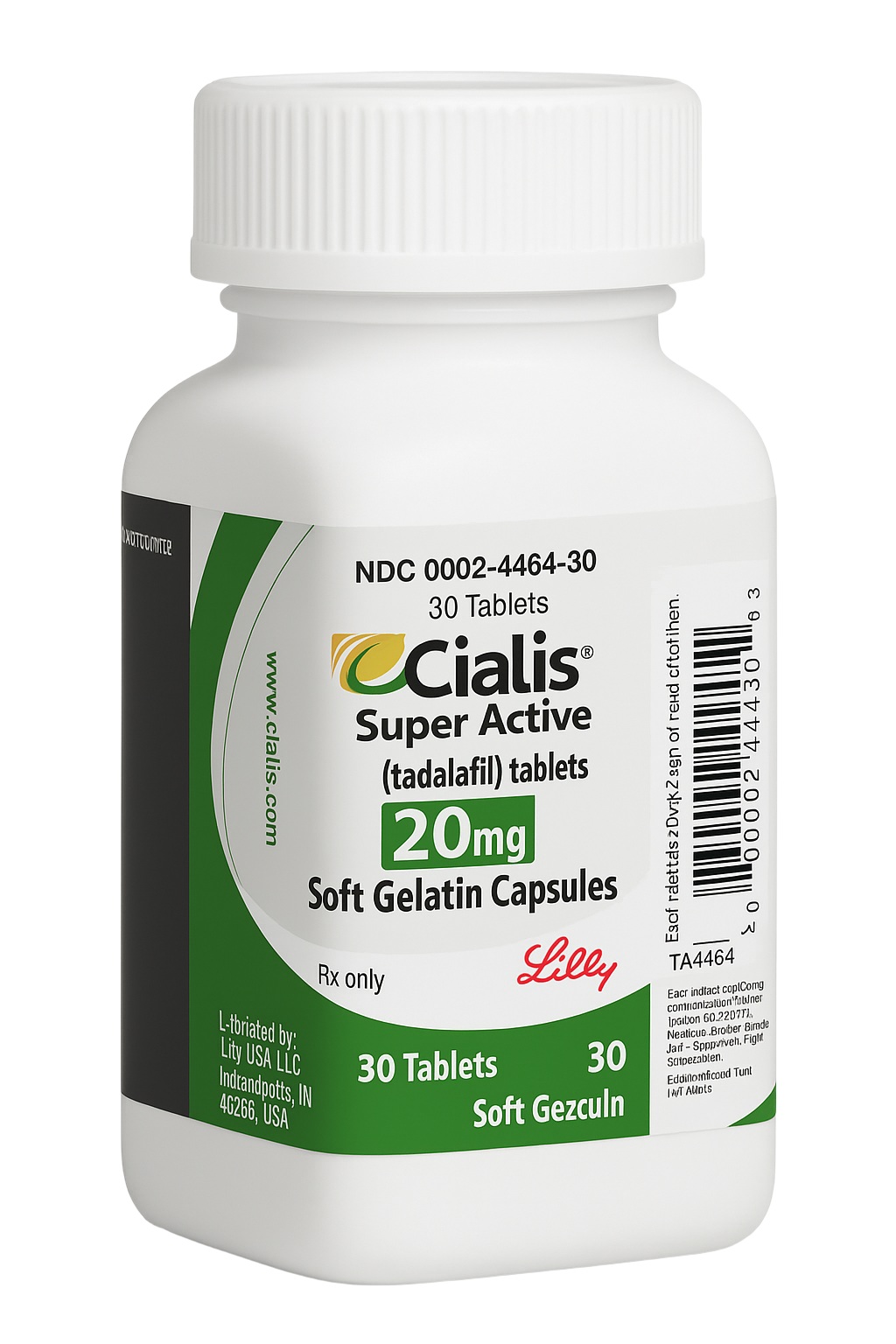
Cialis Super Active is a generic drug, against erectile dysfunction, containing 20 mg of tadalafil. The tablets in this series have a gel inside. This form allows the active substance, Tadalafil, to immediately enter the blood, thus providing an immediate effect. The result from the Cialis Super Active tablets appears after 5 minutes! The action lasts for two days. The drug is safe and has virtually no contraindications.
Viagra - Active ingredient - Sildenafil, 100 mg. Effect of "Viagra" is based on significant increase of blood stream to penis. Begins to work in 30 minutes, the effect lasts for 4-5 hours. Most of men can take this generic viagra every day. Millions of men worldwide cannot be mistaken, choosing Viagra!
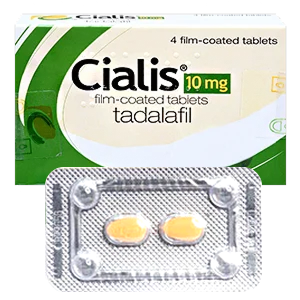
Cialis Soft Tabs differs from a usual tablet of Cialis in the fact that its action comes quicker. Cialis Soft is chewed and dissolved under a tongue that allows to reach a required effect in 10-15 minutes. Important!!! Cialis Soft is compatible to alcohol and greasy food!

Cialis Super Active is a generic drug, against erectile dysfunction, containing 20 mg of tadalafil. The tablets in this series have a gel inside. This form allows the active substance, Tadalafil, to immediately enter the blood, thus providing an immediate effect. The result from the Cialis Super Active tablets appears after 5 minutes! The action lasts for two days. The drug is safe and has virtually no contraindications.
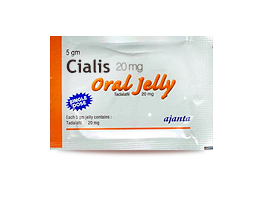
Cialis Oral Jelly (Orange) - a new formula of Cialis which you can have, without washing down with water. Against background of ordinary drug it differs in increased influence speed. It is prescribed for improvement of sexual endurance of men during intimate proximity. It simplifies the excitative process of penis and strengthens erection. Noticeably increases duration of sexual intercourse. Besides, the drug possesses a pleasant orange flavor.